
Thalassemia
Thalassaemia is an inherited hereditary blood condition that causes permanent anemia.
People with thalassaemia do not create enough healthy haemoglobin, resulting in tiny, pale blood cells. The protein haemoglobin is present in red blood cells and transports oxygen from the lungs to the rest of the body.
People who are born with thalassaemia are unable to effectively circulate oxygen throughout their bodies. They may require regular blood transfusions to stay alive depending on the type of thalassaemia they have to maintain their growth and development.
Cause of thalassaemia -
Thalassaemia is caused by inheriting gene mutations ('spelling mistakes' in DNA) from one or both parents.These gene abnormalities cause the body to shed red blood cells at a faster rate than usual, resulting in less haemoglobin.
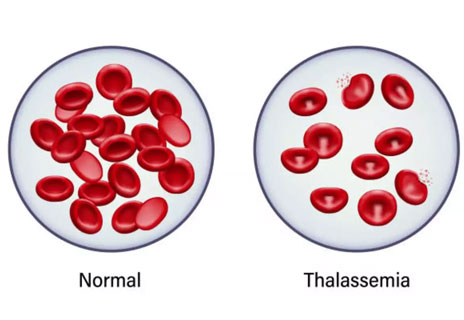
There are several forms of thalassaemia. The kind a person possesses is determined by the gene mutations they inherit.
- Alpha thalassaemia is caused by a defect with one or more of the four alpha globin genes.
Even if a person inherits only one gene, he or she can pass the illness on to their offspring. Two genes produce moderate symptoms, three genes cause more severe symptoms (called Haemoglobin H illness), and kids who inherit four genes (named alpha thalassaemia major or hydropsfetalis) are frequently very unwell and do not live long after birth.
Alpha thalassaemia is more frequent in Southeast Asians, Southern Chinese, Middle Easterners, Indians, Africans, and Mediterraneans. - Beta thalassaemia is caused by mutations in one or two genes known as beta globin genes.
There are hundreds of such mutations, and symptoms vary depending on which one a person has. People who have only one defective gene have little symptoms, but they can transmit thalassaemia on to their offspring. People who have two defective genes (thalassaemia major) frequently suffer life-threatening symptoms. Some persons with two faulty genes may still have lesser symptoms and only require blood transfusions on occasion.
People of Mediterranean, Asian, or African heritage are more likely to be affected by beta thalassaemia.
Signs and Symptoms of thalassaemia-
People with thalassaemia may have the following symptoms:
- Feeling fatigued, weak, dizzy, and short of breath
- Growing more slowly than typical as children
- Being pale or having yellow skin coloration (jaundice)
- Having black urine
- Having a large abdomen
- Having a little malformation of their facial bones
Thalassaemia, if left untreated, can lead to heart failure and infections.
If the illness is severe, the symptoms might appear in newborns and small children, generally within the first two years of life.
Diagnosis for thalassaemia–
Some people discover they have thalassaemia after becoming ill. Their doctor checks them and does blood tests on them. They may also undergo genetic testing.Others discover they have thalassaemia by coincidence, when a blood test for another reason reveals anything strange.
Doctors may recommend a blood test to check for thalassaemia.
- You are going to have a child
- You have a relative with thalassaemia
- You or your relatives have unexplained anemia (low hemoglobin)
- your family comes from a place where thalassaemia is prevalent
Treatment for thalassaemia?
If you have thalassaemia, you may or may not require therapy. It is determined by the severity of your symptoms.
Severe thalassaemia patients may require blood transfusions every 3 to 4 weeks.
People with less severe thalassaemia may only require blood transfusions on occasion, if at all.
Blood transfusions can lead to an increase in iron levels in the body, which can harm the heart and liver. People who need regular blood transfusions can take a drug called iron chelation, which helps bring the iron down to a safe level.
A few patients have such severe problems that they are advised to have stem cell or bone marrow transplantation from a healthy donor. This can be useful, but it carries hazards and is only used in exceptional cases.
How to Live life -thalassaemic patient
If you have thalassaemia, it is critical that you attend all of your medical visits and receive blood transfusions as needed.You must prevent infections by washing your hands often and avoiding persons who have colds or the flu.
Eat healthily to take care of yourself.
Complications inthalassaemia Patient
Other complications associated with thalassaemia include:
- An enlarged spleen
- Blood infections
- Bone abnormalities such as deformities in the face or skull or osteoporosis
- Heart, liver, or hormone system damage caused by an excess of iron in the blood
Is it possible to prevent thalassaemia?
When a person is diagnosed with thalassaemia, their immediate family members (parents, children, brothers and sisters) may be offered genetic testing to discover if they have the gene mutation. It is a simple blood test that is completely free and may be performed by your doctor.
You might want to know if you have the gene so you can make an educated decision about having a kid in the future.
Only if both parents are carriers does a kid get thalassaemia.
If both parents are carriers, their kid has a 1 in 4 risk of having thalassaemia. They have a one-in-two probability of becoming a carrier.
If you have the thalassaemia gene and want to have a child, you and your partner may elect to:
- Have prenatal testing (a genetic test done during pregnancy to check if the kid is affected) to see if the child is affected
- Consider your alternatives for having a child.
For example, if you decide to have a child through IVF, you should have the embryo genetically screened before it is implanted. Also, keep an eye out for thalassaemia signs in your child.
Related Treatment
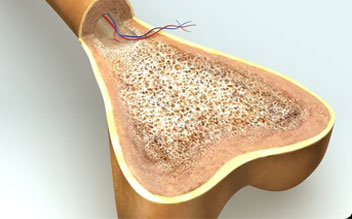
A bone marrow transplant (BMT) is a therapy option for children suffering from cancer or other disorders. The purpose of bone marrow...
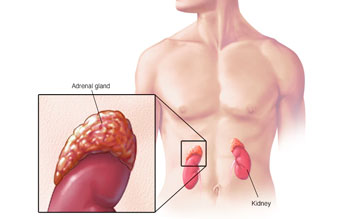
Neuroblastoma is a malignant tumor. It develops in the nervous tissue of infants and young children. Cancer cells proliferate
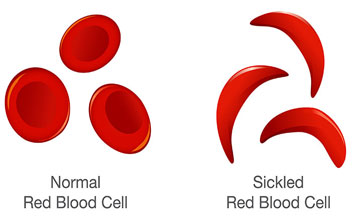
Sickle cell anemia is a hereditary disorder that affects hemoglobin, the component of red blood cells that transports oxygen...
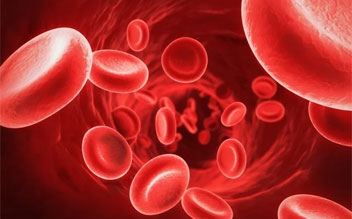
Platelets are the cells that cause blood clots, hence platelet abnormalities cause wounded blood arteries to bleed more than usual...
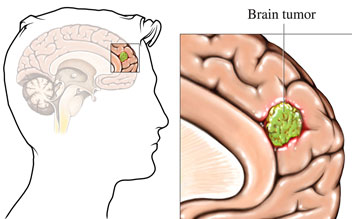
A brain tumor is an abnormal growth of tissue within the brain. The brain forms part of the central nervous system (CNS).
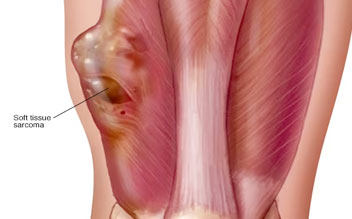
Soft tissue sarcomas are malignant tumors that develop in soft tissue, including muscle, fibrous tissues, tendons, fat, nerves,...
Wilm's tumor is a kidney tumor that nearly usually affects youngsters. This disease accounts for roughly 90% of kidney...
Hepatoblastoma is an extremely uncommon kind of cancer. It is a tumor that originates in the liver. It often affects children aged...
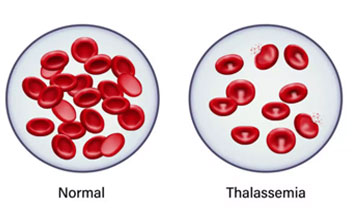
Thalassaemia is an inherited hereditary blood condition that causes permanent anemia. People with thalassaemia...