
Hepatoblastoma
Hepatoblastoma is an extremely uncommon kind of cancer. It is a tumor that originates in the liver. It often affects children aged 3 to 4 years. It does not normally expand (metastasize) to other parts of the body.
What are the signs of a child's Hepatoblastoma?
The severity of the symptoms depends on the size of the tumor and if it has spread. Symptoms may manifest differently in each child.
- A lump (mass) in the belly (abdomen)
- A bloated abdomen
- Pain in the abdomen
- Loss of appetite
- Weight loss
- Tiredness
- Nausea and vomiting
- Yellow tint to the skin or whites of the eyes (jaundice)
- Fever
- Itchy skin
- Enlarged veins on the belly
Hepatoblastoma symptoms can mimic those of other diseases
What causes a child's Hepatoblastoma?
A mutation in a gene causes cancer. The exact cause of this is unknown.
Which children are predisposed to Hepatoblastoma?
Some inherited health issues put a youngster at greater risk. These are some examples:
- Beckwith-Wiedemann disease
- Adenomatous polyposis familial
- Diseases associated with glycogen storage
- The Aicardi syndrome
Babies born with a very low birth weight appear to be at a higher risk as well.
How is a child's Hepatoblastoma diagnosed?
You should take your kid to the doctor if he or she has a lump, swelling, or discomfort in the abdomen, or other symptoms.He or she will examine your youngster, paying special attention to the abdomen. Your kid may require the services of a pediatric oncologist (a specialist in the diagnosis and treatment of cancer in children).
- Blood tests may be performed on your kid.
These examinations check for indicators of disease. They look for issues with blood coagulation, liver and renal function, tumor markers, gene disorders, and other things.
- Ultrasound (US) examination. Images are created using sound waves. This might be one of the first tests performed to examine the liver.
- A CT scan. Images of the body are created using a succession of X-rays and a computer. This might be done to examine blood arteries in the liver.
- MRI. To create detailed pictures of the interior of the body, large magnets, radio waves, and a computer are employed. This can also be used to examine blood vessels in the liver.
- A biopsy of the tumor. A tumor sample is extracted and examined under a microscope for cancer cells. Hepatoblastoma can only be diagnosed by a biopsy. A needle biopsy or surgery may be used to do the biopsy.
Other tests will be performed on your kid when hepatoblastoma is diagnosed. These assist your child's medical providers in learning more about the cancer.
They will demonstrate the extent to which the cancer has spread (metastasized) in your child's body.
How is a child's Hepatoblastoma treated?
Treatment will be determined by the stage of the disease as well as other considerations. Cancer can be treated with any of the following methods:
- Surgical procedure : This may be done to get a tumor sample for diagnosis. It may also be done in order to remove as much of the tumor as feasible (resection). Tumors in other regions of the body, such as the lungs, may also be removed surgically.
- Chemotherapy is one option : These are cancer-killing medications. They can be administered either before or after surgery. They are administered intravenously (IV), via injection, or by mouth (oral). The drugs might potentially be administered to the liver. This is accomplished by inserting a tube (catheter) into the major artery of the liver. This is known as chemoembolization of the hepatic artery. The medication is combined with a chemical that prevents blood flow to the tumor. This interferes with the tumor's growth.
- Liver transplantation : If the tumor cannot be removed, the liver may be removed and replaced with a donor liver.
The prognosis (prognosis) for a child with any malignancy varies. Keep in mind:
- Getting medical care as soon as possible is critical for the best outcome. Cancer that has spread is more difficult to cure.
- Ongoing follow-up care is required both during and after therapy.
- New therapies are being tried in order to enhance outcomes and reduce negative effects.
Important information about hepatoblastoma in children
- Hepatoblastoma is an extremely uncommon malignant (cancerous) tumor that begins in the liver.
- Symptoms include a lump (mass), swelling, or abdominal discomfort.
- Blood tests, imaging, and biopsy are used to make a diagnosis.
- Surgery, chemotherapy, and other treatments may be used to treat it.
- Follow-up care is required to monitor for complications and recurrence of malignancy.
Related Treatment
A bone marrow transplant (BMT) is a therapy option for children suffering from cancer or other disorders. The purpose of bone marrow...
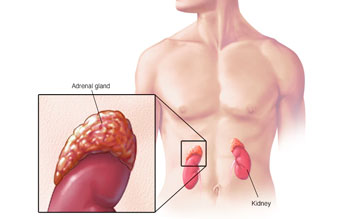
Neuroblastoma is a malignant tumor. It develops in the nervous tissue of infants and young children. Cancer cells proliferate
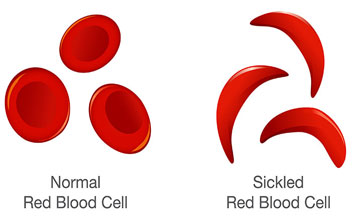
Sickle cell anemia is a hereditary disorder that affects hemoglobin, the component of red blood cells that transports oxygen...
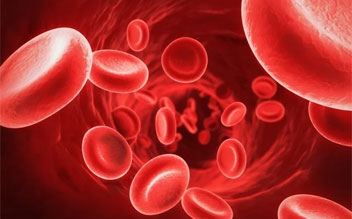
Platelets are the cells that cause blood clots, hence platelet abnormalities cause wounded blood arteries to bleed more than usual...
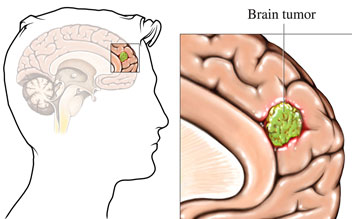
A brain tumor is an abnormal growth of tissue within the brain. The brain forms part of the central nervous system (CNS).
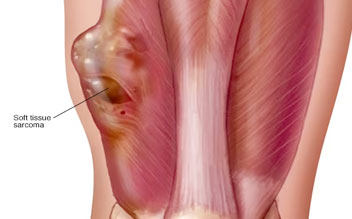
Soft tissue sarcomas are malignant tumors that develop in soft tissue, including muscle, fibrous tissues, tendons, fat, nerves,...
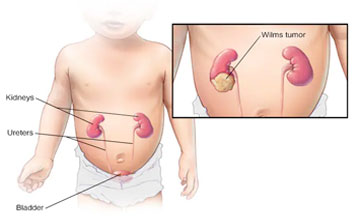
Wilm's tumor is a kidney tumor that nearly usually affects youngsters. This disease accounts for roughly 90% of kidney...
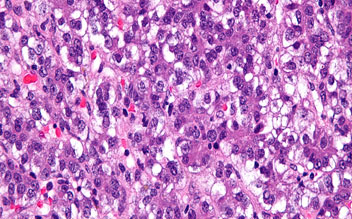
Hepatoblastoma is an extremely uncommon kind of cancer. It is a tumor that originates in the liver. It often affects children aged...
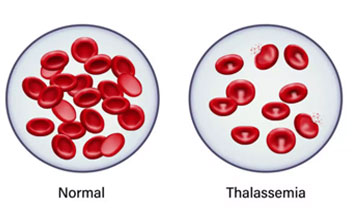
Thalassaemia is an inherited hereditary blood condition that causes permanent anemia. People with thalassaemia...