
Pancreatic Cancer
Pancreatic cancer is a type of cancer that starts with cell growth in the pancreas. The pancreas is located behind the stomach's lower portion. It produces enzymes that aid in digestion as well as hormones that aid in blood sugar regulation.
Pancreatic ductal adenocarcinoma is the most common type of pancreatic cancer. This type begins in the cells that line the ducts that drain pancreatic digestive enzymes.
Pancreatic cancer is rarely discovered in its early stages, when it has the best chance of being cured. This is due to the fact that it frequently does not cause symptoms until it has spread to other organs.
Symptoms
Pancreatic cancer frequently does not cause symptoms until the disease has progressed. When they occur, pancreatic cancer signs and symptoms may include:
- Pain in the abdomen that spreads to the sides or back
- Appetite loss
- Weight reduction
- Jaundice is a yellowing of the skin and the whites of the eyes
- Stools in light colours or that float
- Urine that is dark in colour
- Itching
- Diabetes has been newly diagnosed or is becoming more difficult to control
- Pain and swelling in an arm or leg, possibly due to a blood clot
- Fatigue or weakness
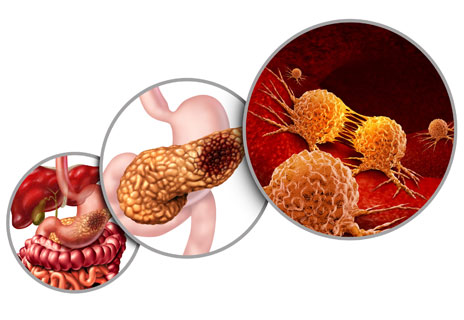
Causes
It is unclear what causes pancreatic cancer. Doctors have identified some risk factors for this type of cancer. These include smoking and having a family history of pancreatic cancer.
Treatment
The most common types of pancreatic cancer treatments are described below, followed by a general overview of treatments by stage. Your treatment plan will also include treatment for symptoms and side effects, which is an important aspect of cancer care.
- Surgery
- Radiation therapy
- Chemotherapy
- Targeted therapy
- Immunotherapy
Related Treatment

There are several types of head and neck malignancies, including those of the brain, eyes, spine, salivary gland, thyroid, sinuses, mouth, throat (pharynx),
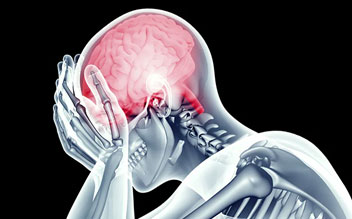
Brain tumors account for one of every 100 malignancies diagnosed in the United States each year. Most malignant brain tumors and brain cancers
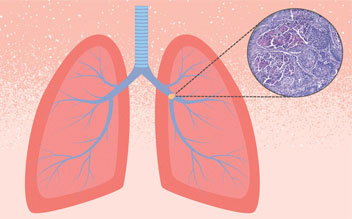
Cancer develops when cells alter (mutate) and expand out of control. The aberrant (changed) cells frequently develop into a lump or mass known as a tumor.
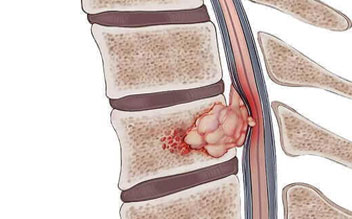
Spinal cancer is caused by abnormal cell growth in the tissues that make up the spine (including the spinal canal and vertebrae), resulting in the formation

Prostate cancer is the most common type of cancer in men, but it is highly treatable when detected early. It all starts with the prostate gland..
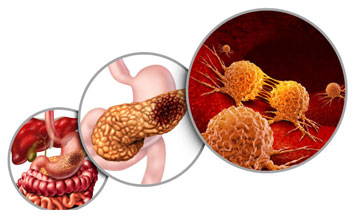
Pancreatic cancer is a type of cancer that starts with cell growth in the pancreas. The pancreas is located behind the stomach's lower portion.
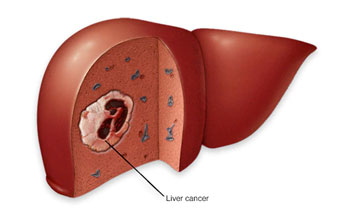
Primary liver cancer is a type of cancer that begins in the liver. There are several types: Hepatocellular carcinoma (HCC) or hepatoma

Breast cancer is the most common cancer in women in India, and it is the second leading cause of death in women, after lung cancer.

The primary function of our kidneys is to filter our blood. Masses (growths or tumours) can form inside our kidneys at times.